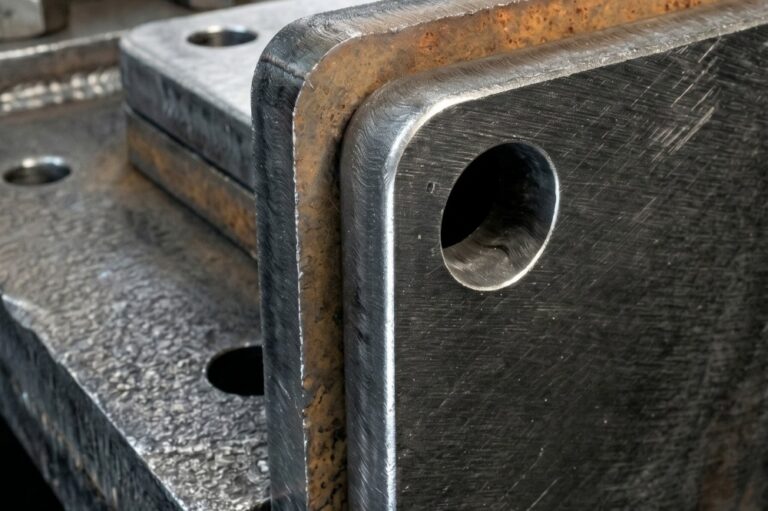
Are current sheet metal edge rounding solutions meeting safety rules?
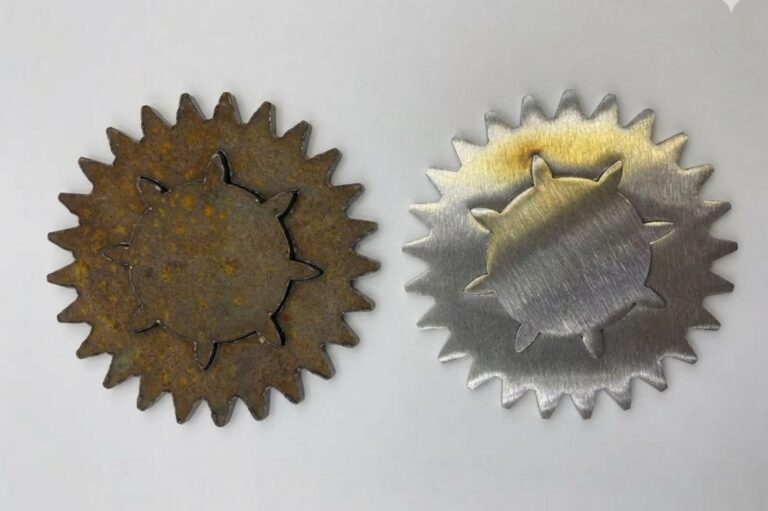
Starting such in-depth study regarding self-operating tools created for edge smoothing provide transformed engineering methods, delivering marked benefits towards velocity and precision. This article examines the broad types of systems, including polishing tumbling equipment, oscillating units, and modern numerical applications. We will review the pros of integrating these solutions, featuring minimized employee overhead, better part consistency, and strengthened fabrication capacity.
Rim Deburring Devices: Accurate Finalizing Defined
Profile smoothing platforms offer a refined solution for realizing meticulous refining on materials. Different from manual techniques, these programmable units deliver equal consequences and decidedly enhance assembly competence. Such mechanisms often apply several polishing equipment like diamond rotors, smoothing pads, or dedicated profiles to eliminate sharp profiles and roughness. These method is key in a wide spectrum of sectors, like healthcare and electrical.- Raise finish texture
- Decrease workshop spending
- Expand throughput and efficiency
Residuum Disposal Apparatuses: Producing Pristine, Excellent Finishes
Modern smelting procedures reliably manufacture significant amounts of waste, a byproduct that, if remaining, can severely impair the grade of the conclusion. Fortunately, advanced byproduct management systems offer a proven solution. These purpose-built machines, employing techniques like abrasion, are designed to completely eliminate this unwanted material, ensuring a clean and outstanding surface. The resulting positive effects include decreased rejection rates, improved aesthetic appeal, and an overall gain in manufacturing speed. By utilizing modern slag removal technology, manufacturers can consistently deliver top-tier surfaces and conform to stringent criteria.
Thin Sheet Refinishing: The Benefits of Deburring Systems
Achieving a first-rate appearance on sheet metal modules is fundamental for durability, and deburring units supply major profits over physical methods. Eliminating burrs speedily not only improves the cosmetic quality of the piece, but also stops probable damage during fabrication and operation. Also, precise deburring means enhance workflow throughput and diminish human disbursements.
Maximizing Sheet Metal Production with Automatic Deburring
In an effort to enhance capability in sheet metal manufacturing, implement automatic deburring technologies. Classic deburring is typically demanding and prone to irregularities. Moving to robotic deburring grants weighty advantages, featuring cut personnel expenses, advanced part quality, and greater manufacturing yield. Such capital expenditures have the potential to immediately yield returns.Determining the Suitable Deburring Instrument for Your Application
Identifying the leading deburring unit for your dedicated needs is a comprehensive assessment of several parameters. Originally, scrutinize the type of stock you're dealing with – brass requires particular techniques than carbon fiber. Next, take into account the dimensions and configuration of the elements needing edge smoothing. Eventually, weigh your capacity size; a significant operation demands a different type of machine than a low-volume one. Neglecting to address these points might cause poor results and additional investment.
Deburring Machine Method: Shifts and Upgrades
Fresh edge refining equipment application is subject to rapid growth, caused by the insistences for enhanced quality and productivity in manufacturing functions. Principal advances consist of the incorporation of smart solutions for elastic burr removal steps, alongside developments in polishing procedure. We're moreover noticing a increase in handheld deburring tools adapted for targeted uses, and advanced procedures like electron beam edge-removal are winning interest. The prospect demonstrates towards heightened communication of deburring mechanisms within the intelligent factory context.
Boosting Customized Segment Performance with Profile Beveling
Many manufacturing processes for brass parts introduce sharp edges, which can cause stress clusters and susceptibilities that jeopardize overall performance. Edge rounding, a simple yet influential method, offers a straightforward solution. It consists of slightly beveling the sharp edges of a unit during the manufacturing stage. This decreases stress regions, boosts resistance capacity, and can control fracturing. Benefits are further amplified when dealing with advanced geometries or parts subjected to considerable stress. Considerations include the correct contour of the shape and its bearing on assembly with other units.
- Mitigates Stress Areas
- Elevates Resistance Lifespan
- Blocks Cracking
Impurity Disposal vs. Edge : Grasping the Contrasts
As many technicians use the labels “slag processing” and “deburring” as if they were the same, they mean distinct workflows in metal fabrication operations. Deburring focuses on get Surface Finishing rid of the sharp, often tiny, spurs created during processing operations—these are excess remnants of metal left on the component. Scale elimination, conversely, addresses those offshoot – typically a mixture of impurities – that occurs during processes like smelting. Essentially, deburring deals with subsidiary flanges, while slag removal deals with the waste of a separate process. In brief, programmable deburring and byproduct removal apparatuses are fundamental components of modern metal creation that ensure premium finished products with reduced defects and enhanced efficiency.Wrapping up the analysis focuses on the vital role of modern automated deburring technologies in transforming fabrication criteria and enabling businesses attain improved productivity and excellence.