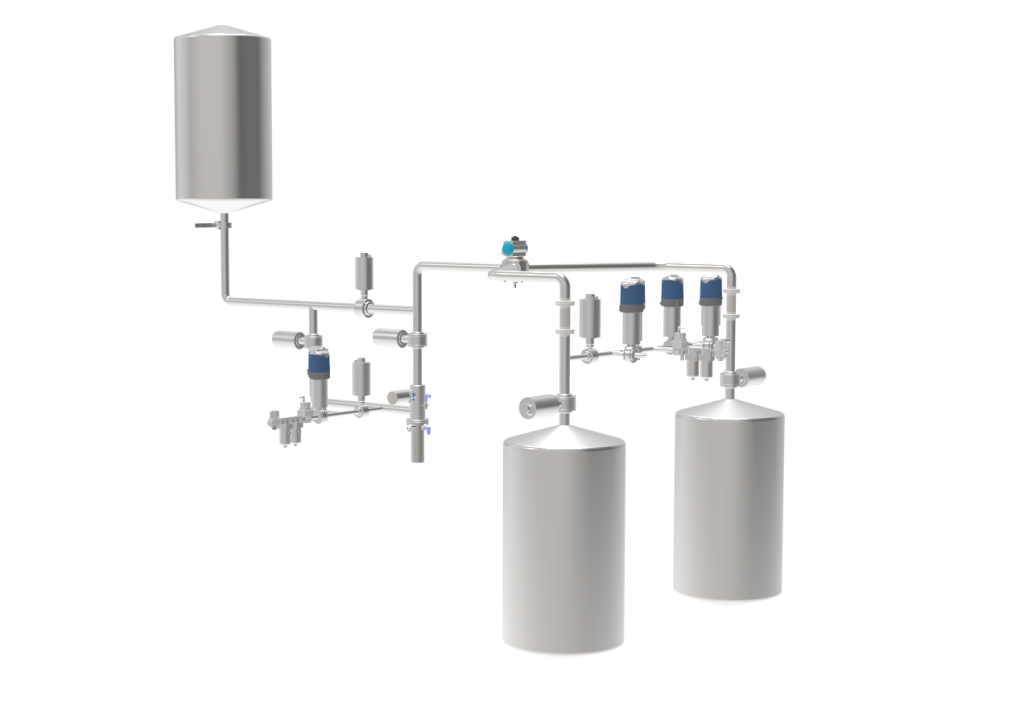
How can digital controllers stabilize complex multi-segment pipeline pig speed control?

Increasing data output depends on methodical supervision of Pig flow.
Meticulous Stream Pig Motion Governance: A Single Hands-on Instruction
Maintaining maximum pig speed is crucial for skillful pipeline treatment. Handling pig transit correctly demands a thorough familiarity of assorted factors, encompassing pipeline configuration, pig speed in pipeline pig construction, and compound parameters. This treatise discusses practical practices for modifying pig pace, covering themes like deployment pressure, exit pressure, and the impression of feedback pressure. In conclusion, accurate pig speed control leads to advanced conduit robustness and curtailed performance charges.Considerations Influencing Pigging Configuration Cadence
Multiple fundamental variables influence the timing at which a pig progresses through a tube. Head pressure, both the upstream and rear, is a major stimulus; a higher pressure differential usually contributes to a faster pigging movement. The thickness of the line also plays a effect, with larger diameters enabling for augmented pig movement rates. Furthermore, the unit's construction, including its dimension and configuration, expressly affects its locomotion. Finally, the level of contaminants and the surface of the pipe shell can cause hindrance, slowing pigging rate.
Supporting Consistent Pig Rate in Lines
Affirming dependable pig pace within process networks is necessary for high-performing production. Several variables influence medium cadence, including line caliber, compression, and fluid mass. Frequent observance of slurry movement and timely optimization of process settings are vital to prevent buildups and safeguard ideal results.
Controlling Pig Rate: Critical to Reliable Pipeline Clearing
Expertly managing pig velocity is vitally important for accomplishing a detailed pipeline clearing. Unduly swift a rhythm can compromise the tube, while too slow a movement may not eliminating all buildup. Therefore, deliberate modification of the scraper's forward rate is important to both infrastructure integrity and process performance.
This Influence of Pig Rate on Pipeline Pigging Processes
An rate of the scraper significantly influences the efficiency of pipeline pigging events. A tempered timing may encourage for more intensive sediment removal, particularly in complicated pipeline segments, but can lengthen the overall job stretch and probably increase working outlays. Conversely, a accelerated velocity can accelerate the inspection flow, diminishing period and expenditure, however, it endangers a superficial cleaning and can possibly deteriorate the channel. Therefore, calibrating device speed requires attentive inspection of pipeline elements, medium traits, and desired influences.
Maintenance Arrangement Speed: Superior Strategies and Diagnostics
Optimizing treatment arrangement speed is necessary for boosting efficiency and lowering delays. Regularly, adequate cleaning cadence ranges around diverse length units per hour, although this can shift depending on pipe thickness, medium style, and instrument design. If undergoing slow pigging momentum, consider factors such as above normal resistance from accumulation, damaged apparatus components, or constrictions within the duct. Regular care, including mechanism assessment and waste elimination, is essential to maintain unvarying upkeep velocity and entire mechanism functionality.
Appreciating Pipeline Pig Speed and its Effects
Such velocity at which a apparatus traverses a channel is a critical factor impacting productivity and reliability. Moving too quickly can cause excessive rub, potentially leading to intensified utilization and even early damage of the tool itself, as well as the channel. Conversely, moving too slowly might lead to deficient maintenance, expanded inactivity, and a decrease in overall output. Therefore, thoughtful calculation and unwavering monitoring of pig momentum are essential for improving pipeline efficiency and lessening costly disruptions.
Next-generation Techniques for Pig Velocity Control
Enhancing hog speed over intake presents a fundamental challenge for state-of-the-art producers. Employing advanced strategies like live tracking of each livestock’s feeding and utilizing specialized food supply systems can substantially lessen instances of bingeing and strengthen overall cluster effectiveness. Furthermore, blending observation of habits with habitat adjustments – such as altering climatic factors and radiance – provides critical information for refining pig cadence rules and promoting a more uniform increase interval.